Small business bulky waste removal for Deptford Road shops
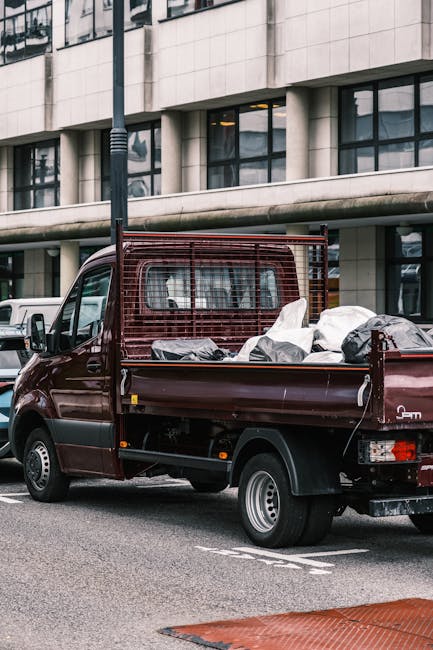
If you run a shop on Deptford Road, you already know that bulky waste has a knack for arriving at the worst possible time. A broken display unit, a stack of damaged stock, old shelving, packaging that has multiplied overnight, or a fridge that finally gives up on a busy Friday - it all needs shifting fast. That is where Small business bulky waste removal for Deptford Road shops becomes less of a back-office chore and more of a practical part of keeping the business moving.
This guide breaks down what bulky waste removal actually involves, how the process works, what to look for in a service, and the everyday mistakes that create stress, delay, and extra cost. It is written for real shop owners and managers, not theory. You will find clear steps, a comparison table, compliance guidance, and a checklist you can use straight away.
Let's face it: a small retail space can feel twice as cramped once a couple of awkward items are in the way. The good news? With the right approach, bulky waste can be handled cleanly, predictably, and without turning your trading day upside down.
Why Small business bulky waste removal for Deptford Road shops Matters
Bulky waste is different from ordinary shop rubbish. It is the awkward stuff that takes up space, needs lifting, and usually cannot be folded down into a tidy bag. Think broken fittings, old counters, worn-out shelving, mannequins, stock fixtures, damaged appliances, and the occasional mystery item that has sat in the stockroom far too long. For Deptford Road shops, the issue is often not just volume, but timing.
A small shop has limited storage, limited back access, and often very little room to stage waste before collection. That means even one large item can block deliveries, slow replenishment, or make a back room feel like a squeezed-in cupboard. There is also the customer-facing side. Nobody wants a storefront littered with discarded fixtures while trying to sell neatly presented stock. First impressions matter, and clutter sends the wrong message, even if the shop itself is brilliant.
There is a wider business reason too. Bulky waste can interrupt trading if it is left too long. Staff spend time moving around it. Safety risks creep in. Fire exits become less clear. And if the item is hazardous or heavy, the downside can become more serious. A damaged fridge or awkward cabinet is not just inconvenient; it is a job that needs planning.
Practical takeaway: for small shops, bulky waste removal is not just "getting rid of stuff". It is about protecting trading space, keeping the shop safe, and avoiding last-minute panic when something large needs to go.
Deptford Road has the kind of day-to-day rhythm where disruption stands out. A van blocking access for too long, staff trying to drag heavy waste through a tight entrance, or a pile of packaging sitting by the counter all day can create friction quickly. That is why a planned removal approach tends to work far better than waiting until the back room is bursting. Tiny inconvenience becomes bigger inconvenience. Usually quite quickly.
How Small business bulky waste removal for Deptford Road shops Works
In simple terms, bulky waste removal means collecting large or awkward items from your shop and taking them away for disposal, reuse, or recycling. Depending on the provider and the type of waste, the job can be done with a van-based collection, a skip, a wait-and-load arrangement, or a larger vehicle for heavier loads. The right method depends on access, timing, the amount of waste, and whether items need to be removed from inside the premises.
For shop owners, the process usually starts with a quick assessment. That might be a phone call, an online booking, or a quote request through a pricing page such as pricing and quote information. You describe what needs removing, how much space there is, and whether the waste is heavy, mixed, or partly recyclable. A decent provider will ask the right follow-up questions. That matters more than it sounds. Guesswork leads to surprise charges or a vehicle that is too small.
From there, you agree a collection window. Some services can offer quicker turnaround, especially for time-sensitive shop clearances or end-of-day removals. If the waste is straightforward and access is easy, the job may be done in one visit. If items are very bulky, need dismantling, or sit behind a shopfront with restricted access, the team may need a little more preparation.
In many cases, the waste is sorted after collection. Reusable or recyclable material is separated where possible, while unsuitable material is handled through the proper disposal route. For business owners, that sorting stage is worth understanding. It influences both cost and environmental impact. It also says a lot about the provider's standards.
There are a few common service formats worth knowing about:
- Van collection or man-and-van removal: useful for small to medium loads and quick clearances.
- Skip hire: a good fit when waste builds up over a short project or refit.
- Wait-and-load: helpful where space is tight and you cannot leave a skip outside.
- Grab hire or larger vehicle collection: more suitable for larger commercial clearances or heavier mixed waste.
For some shops, a combined approach works best. For example, packaging and display waste can go into one load, while older appliances or furniture are removed separately. Not glamorous, admittedly, but it keeps everything organised and more cost-effective.
Key Benefits and Practical Advantages
Small business bulky waste removal for Deptford Road shops brings more value than simply making the place look tidy. It affects operations, staff morale, customer experience, and in some cases even your trading capacity.
1. Frees up valuable space
Shop space is expensive, and every square metre matters. Clearing a damaged shelving unit or old stock pallets can instantly improve movement behind the counter or in the stockroom. You feel the difference straight away. Less squeezing past things. Less "we'll deal with that later."
2. Reduces trip hazards and manual handling risks
Bulky items tend to be awkward in ways small waste is not. They catch on door frames, block walkways, and invite rushed lifting. Removing them properly helps reduce avoidable injuries and the kind of shoulder strain nobody wants after a long shift.
3. Protects your professional image
A clutter-free shopfront and back-of-house area tells customers and staff that the business is under control. That matters in retail. People notice the difference between "busy" and "messy" even if they do not say it out loud.
4. Saves staff time
Trying to work around bulky waste slows everything down. Staff should be serving customers, unpacking deliveries, or keeping stock moving, not wrestling an obsolete counter through a narrow rear corridor. Outsourcing the job allows them to stay focused on the things that bring in revenue.
5. Supports recycling and better waste handling
When bulky waste is handled by a service that understands sorting and reuse, more material can often be directed away from landfill. That is not just a nice extra. It is often a practical and reputational win for small businesses trying to show a bit more responsibility.
6. Helps with planned refurbishments and stock changeovers
Shops on Deptford Road may go through periodic refits, seasonal changes, or a full layout update. Bulky waste removal keeps those projects moving. Without it, refurbishment work has a habit of stalling in a pile of discarded fixtures. Very familiar, that one.
Who This Is For and When It Makes Sense
This kind of service is useful for a wide range of small businesses, not just traditional retail. If your premises generate large or heavy waste and you do not have the time, vehicle, or labour to remove it yourself, it probably fits.
Common examples include:
- Convenience stores and corner shops replacing shelving or counters.
- Independent clothing shops clearing rails, mannequins, display units, and packaging.
- Takeaways and cafes disposing of broken appliances, old seating, or worn kitchen items.
- Salons and barbers removing chairs, mirrors, cabinets, and fit-out waste.
- Pet shops, gift shops, and specialist retailers with stockroom clear-outs or display upgrades.
- Small offices above or behind shops with broken furniture or general bulky rubbish.
It also makes sense when you have:
- a shop refit or redesign coming up
- damaged stock or returns that cannot be resold
- old equipment that is too large for normal waste streams
- a landlord inspection or lease-end handover approaching
- an urgent clearance after a flood, breakdown, or delivery issue
Sometimes the trigger is mundane. A shelf collapses. A freezer fails. A storage unit is replaced. And suddenly the whole back room feels like it has shrunk by half. If that sounds familiar, you are in the right place.
Step-by-Step Guidance
Here is a practical way to approach bulky waste removal without overcomplicating it.
Step 1: Identify exactly what needs to go
Walk through the area and list every large item. Note dimensions if you can, especially for furniture, appliances, or fixtures that may need dismantling. Be clear about what is included and what is not. Mixed loads can be fine, but they need to be described honestly.
Step 2: Separate reusable, recyclable, and non-recyclable items
Not everything bulky is destined for disposal. Some shop fittings, timber, metal shelving, and cardboard packaging can be recycled or reused. This is one of those little jobs that pays back later. It also makes collection smoother.
Step 3: Check access carefully
Measure doorways, stairwells, and any narrow passage points. If a vehicle needs to park close by, think about the likely access at the time of day you need the work done. A quiet early morning slot can be very different from lunchtime. You know what Deptford Road traffic can be like.
Step 4: Choose the removal method
Match the job to the method. A few bulky items may suit a van collection. A refit with ongoing debris may work better with a skip. Tight access might make a wait-and-load service more practical. There is no single best answer; the best option is the one that fits your site and timings.
Step 5: Ask about what happens after collection
Find out whether the service sorts waste for recycling, handles electrical items separately, or has restrictions on materials such as glass, fridges, paint, or confidential material. If you are clearing a mixed retail site, this matters more than people expect.
Step 6: Schedule the removal around trading hours
Whenever possible, choose a time that causes the least disruption. Early morning, late evening, or a planned closure window can all work depending on the premises. A good collection should feel almost invisible to customers. Almost.
Step 7: Prepare the items before pickup
Move waste to a single, safe pickup point if possible, but do not overload staff or create lifting risks. Keep pathways clear. If dismantling is needed, make sure tools and labour are available in advance. That small bit of prep saves a surprising amount of time on the day.
Step 8: Keep records
For business waste, basic paperwork is sensible. Keep invoices, descriptions of the waste removed, and any disposal or transfer information you receive. It is useful for internal records, landlord discussions, and general accountability.
Expert Tips for Better Results
If you want smoother, cheaper, and less stressful bulky waste removal, a few practical habits make a real difference.
- Book before the pile gets ugly. Once bulky waste starts blocking stock movement, you are already paying in time and frustration.
- Group similar items together. Metal with metal, cardboard with cardboard, appliances with appliances. It makes sorting easier and can improve recycling.
- Measure before you lift. The item that "should fit" often does not. That old shop saying about optimism and doorframes exists for a reason.
- Check for hazardous content. Some bulky items contain oils, refrigerants, chemicals, or electrical components that need special handling.
- Ask for clear pricing terms. Make sure you understand what is included, especially for labour, access difficulty, and mixed waste.
- Plan for weather. Rain and narrow pavements are a less charming combination than people expect. A small delay is easier to manage than wet cardboard spreading across the floor.
- Use timed clearances for busy retail periods. Early mornings can be gold for small shops, especially when customers start arriving later and the first hour is still calm.
One thing that often helps is a simple pre-removal conversation with staff. Who will move what? Where should items be placed? Which route will the removal team use? Five minutes of clarity can prevent fifteen minutes of shuffling and confusion.
And yes, it sounds obvious. But obvious is often what gets missed when the shop is busy.
Common Mistakes to Avoid
Bulky waste jobs tend to go wrong in familiar ways. Avoiding these mistakes saves money and keeps the day from becoming a headache.
Underestimating the volume
What looks like "a couple of items" can turn into a much larger load once stacked and loaded safely. Always describe waste honestly. A too-small vehicle or quote causes delays and awkward rescheduling.
Leaving the booking too late
If a refit, inspection, or stock changeover is coming up, do not wait until the last hour. Last-minute collections are possible in some cases, but it is better not to rely on luck.
Mixing restricted items with general bulky waste
Appliances, certain electricals, and items with hazardous components may need separate handling. Throwing everything into one pile can create disposal issues and extra cost.
Not checking access properly
A busy street, low ceiling, narrow internal corridor, or awkward stairwell can completely change the removal plan. A provider cannot solve access problems they have not been told about.
Failing to sort reusable material
Some shops throw away usable fixtures because they are in a rush. That is a shame, really. A decent unit, shelf, or cabinet can sometimes be reused, sold, or repurposed.
Forgetting about customers and staff flow
Even a short removal can affect trading if it blocks the wrong entrance at the wrong time. Plan where people will walk while the job is underway.
Assuming all services are the same
They are not. Some providers specialise in quick removals, others in skip-based projects, and others in recycling-focused collections. The difference becomes obvious when the job gets complicated.
Tools, Resources and Recommendations
You do not need a warehouse full of equipment to manage bulky waste properly. A few sensible tools and resources make the process cleaner and safer.
- Basic measuring tape for doorways, items, and tight access points.
- Labels or marker pens to identify items for removal, recycling, or reuse.
- Trolleys or sack trucks for safer movement of smaller heavy items, where suitable.
- Gloves and sturdy footwear for staff handling prep work.
- Phone camera for recording the waste pile before collection and noting condition issues.
- Site notes with access times, loading restrictions, and contact names.
For business owners comparing services, pages such as skip sizes and prices, wait and load skip hire, and commercial skip hire can help you think through the most suitable format. If you are clearing a larger fit-out or ongoing site work, construction waste disposal and construction waste clearance may also be relevant. The point is not to use every service available. It is to match the method to the actual job.
If your bulky waste includes appliances or items with electrical components, it is worth reviewing appliance-specific options such as fridge and appliance removal. For furniture-heavy shop closures or office-backed retail spaces, office clearance or rubbish removal may be a better fit depending on what is being cleared.
Law, Compliance, Standards, or Best Practice
For business waste in the UK, compliance is less about making life difficult and more about keeping your business protected. The exact obligations can vary depending on the waste type and how it is collected, so it is sensible to treat this as a practical best-practice area rather than a box-ticking exercise.
A few general points are worth keeping in mind:
- Business waste must be managed responsibly. Do not assume a casual arrangement is enough just because the load is small.
- Some items need special treatment. Electrical equipment, refrigerants, chemicals, and contaminated materials can carry additional handling requirements.
- Keep basic records. Paperwork helps show that waste was removed through a proper route.
- Use a provider with appropriate insurance and safety processes. If items are being removed from inside the premises, that matters a lot.
- Do not overfill or block public access. If a skip or vehicle is involved, local access and safety considerations should be taken seriously.
Best practice also means being clear with staff. Who can authorise a clearance? What gets kept? What gets recycled? What must be checked before removal? A tiny bit of internal control can prevent useful stock from being thrown away by accident. Happens more than people like to admit.
If you are handling anything sensitive, such as paperwork in old filing units or branded materials that should not re-enter circulation, consider services like confidential shredding alongside the clearance. Likewise, if waste handling forms part of a wider site closure or health-and-safety review, it is sensible to look at the provider's health and safety policy and insurance and safety information before booking.
For environmentally minded businesses, recycling and reuse practices matter too. A service with clear waste-sorting habits and a visible commitment to recycling and sustainability is often a better long-term fit than the cheapest quick fix.
Options, Methods, or Comparison Table
Choosing the right method depends on access, volume, timing, and what kind of bulky waste you have. Here is a straightforward comparison to make the decision less muddy.
| Method | Best for | Strengths | Watch-outs |
|---|---|---|---|
| Van collection / man-and-van | Small to medium loads, quick shop clearances | Flexible, fast, good for awkward access | May be less suitable for very large volumes |
| Skip hire | Refits, ongoing clear-outs, mixed bulky waste | Good for staged loading, useful over several hours or days | Needs space and may require permissions depending on placement |
| Wait-and-load | Restricted roadside access, no room for a skip | No skip left outside, tidy for busy streets | Needs waste to be ready quickly |
| Grab hire / larger vehicle | Heavier or larger commercial clearances | Efficient for bigger loads and site-style waste | Less ideal for tight retail entrances |
For a Deptford Road shop, access often decides the method before anything else. If a vehicle cannot stay parked safely for long, wait-and-load may be attractive. If you are clearing a back-of-house area in stages over a day, skip hire can be simpler. If you only have one or two large items and need them gone quickly, a van collection may be the least disruptive option.
There is no perfect answer on paper. Real shops have awkward doors, shared yards, delivery schedules, and neighbours who also need access. The best option is usually the one that fits the street as much as the waste.
Case Study or Real-World Example
Here is a simple real-world style example. A small independent shop on Deptford Road is preparing for a layout refresh before a weekend trading push. The team has old display shelves, a damaged counter, flattened stock cartons, and one bulky appliance that no longer works. None of it is dramatic. Just inconvenient.
At first, the owner considers leaving everything in the stockroom until the fit-out crew arrives. That sounds reasonable, until the space becomes too cramped to move fresh stock or unpack deliveries. So instead, they list the items, measure the largest unit, and choose a timed removal slot before opening hours. The provider is told about narrow access, the appliance, and the need to keep the front entrance clear.
On the day, the team moves smaller items to one safe staging point, while the removal crew handles the larger pieces. The waste is loaded in one visit, and the remaining shop space is usable again before the morning rush. The result is not just a tidier room. It is a less stressful trading day.
That sort of job sounds simple, and often it is. But the difference between "simple" and "chaotic" usually comes down to preparation. Nothing fancy. Just good timing, a clear list, and the right collection method.
Practical Checklist
Use this checklist before arranging bulky waste removal for your shop.
- List every bulky item that needs removing.
- Measure large items and note any difficult access points.
- Separate reusable, recyclable, and disposable waste where possible.
- Check whether any items are electrical, refrigerated, or potentially hazardous.
- Choose a collection method that suits your space and timeline.
- Confirm the pickup time around trading hours.
- Make sure staff know what is being removed and where to stage it.
- Keep pathways clear for customers and the removal team.
- Ask for clear pricing terms before booking.
- Keep records of the collection for business files.
Expert summary: the smoothest bulky waste jobs are the ones with a short list, clear access, honest descriptions, and a collection method matched to the street outside. Sounds basic. It is basic. And it works.
Conclusion
For Deptford Road shops, bulky waste removal is really about keeping the business usable, safe, and ready for the next job. The right approach saves space, reduces stress, and helps you avoid the awkward half-day where staff are stepping around old fixtures and asking when someone is coming to collect them. If you plan ahead, describe the load clearly, and choose the right removal method, the whole process becomes much easier than most people expect.
Whether you are clearing a stockroom, replacing fittings, or dealing with a sudden bulky item that has no place in a small shop, the aim is the same: get it moved quickly, properly, and without disrupting your day more than necessary. Truth be told, that is what good service should feel like. Quiet, efficient, and out of the way.
Get a free quote today and see how much you can save.
Frequently Asked Questions
What counts as bulky waste in a small shop?
Bulky waste usually means large or awkward items that are hard to move in normal bags or bins. In a shop, that often includes shelving, counters, display units, furniture, appliances, and large packaging waste.
Is bulky waste removal suitable for tiny retail spaces?
Yes. In fact, it is often most useful for smaller spaces because one large item can create a serious access problem. A van collection or wait-and-load service can work well where space is tight.
How do I know whether I need skip hire or a removal team?
If the waste will build up over a project and you have space for a skip, skip hire may suit you. If you need items removed quickly from inside the premises, a collection service or wait-and-load option is often easier.
Can old shop fittings be recycled?
Sometimes, yes. Metal shelving, timber units, cardboard, and some plastics can often be separated for recycling. Reuse may also be possible if fittings are still in reasonable condition.
What if the bulky item is too big to move through the shop door?
That is a common issue. It may need dismantling before removal, or a different route may need to be used. It is worth checking access and dimensions before booking so there are no surprises on the day.
Do I need to sort waste before collection?
Some sorting helps a lot, but you do not always need to separate every item yourself. A good provider will explain what can stay mixed and what needs separate handling, especially for electrical or hazardous items.
How much notice should I give before booking?
As much as you can, especially if the job affects trading hours or involves large furniture, appliances, or refit waste. Short notice can sometimes be accommodated, but planning ahead usually gives you better timing and fewer compromises.
Can bulky waste removal happen outside trading hours?
Often, yes, depending on access and the service you choose. Early morning or after-hours removals are especially useful for small shops that cannot afford interruption during the day.
What should I ask before I book a service?
Ask what is included, how pricing works, whether heavy lifting is covered, what happens with recyclable materials, and whether there are restrictions on electrical or hazardous items. Clear answers at the start save a lot of hassle later.
Is there anything I should not put with bulky waste?
Yes. Items containing hazardous substances, certain electricals, chemicals, and any waste that needs specialist handling should be disclosed separately. If you are unsure, ask before the collection rather than guessing.
Can bulky waste removal help with a shop closure or refit?
Absolutely. Shop closures, refits, and end-of-lease clearances are among the most common reasons businesses arrange bulky waste removal. It keeps the timeline moving and helps handovers go more smoothly.
How can I make the collection cheaper or easier?
Be accurate about the load, group items by type, make access simple, and book before the deadline becomes urgent. A little preparation usually reduces cost and avoids the sort of small chaos that somehow takes over the whole morning.
If you are planning a clearance soon, keep it simple: measure, sort, book, and clear the route. That is usually enough to turn a messy job into a manageable one. And once the space is open again, you will feel it straight away.